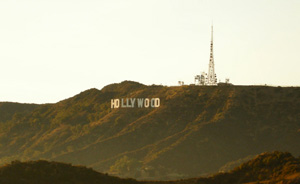
1) Extreme Long Shot – This can be taken from as much as a quarter of a mile away, and is generally used as a scene-setting, establishing shot. This type of shot can used as an exterior, for example the outside of a building, or a landscape, and is often used to show scenes of thrilling action. There will be limited detail visible in the shot, as it is meant to give a general impression rather than specific information.
2)

3) Medium Shot – This shot contains a figure from waist up. It is often used in dialogues scenes, or to add detail to the shot. The medium shot also varies from a two shot and three shot, which have more than one person in the shot from the waist up. Usually shots with more than three people in shot becomes a long shot A medium shot has less detail because the location has been established earlier in the scene, so the audience now were the characters are already.

2)

3) Medium Shot – This shot contains a figure from waist up. It is often used in dialogues scenes, or to add detail to the shot. The medium shot also varies from a two shot and three shot, which have more than one person in the shot from the waist up. Usually shots with more than three people in shot becomes a long shot A medium shot has less detail because the location has been established earlier in the scene, so the audience now were the characters are already.
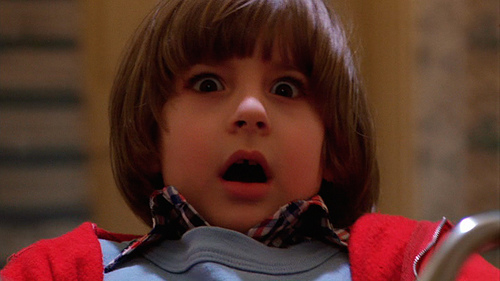
4) Close Up – This shot shows very little of the background, usually a blur, and concentrates on a specific detail of mise en scene or the face. The shot often magnifies the object to show the importance of things such as words written on paper. Close up shots takes us into the mind of the character, so a close up of a face for example, can be a very intimate shot. This show may be used by film makers to make the audience feel increasingly comfortable or uncomfortable, about a character. A zoom lens can be used in most close ups in order to get the correct framing.

5) Crane Shot – This is shot taken from a special device called a crane, which resembles a huge mechanical arm. The crane carries the camera and cameraman, and can move in virtually any direction. This is a useful in the way the camera can move, for example swooping in on action or moving diagonally out. The camera man balanced by the heavy weight and the crane operator must work together to get the most effective outcome. This filming shot is very expensive and is often used by most successful film production companies.

6)
7) Shoulder Shot – This shot is a shot of someone or something from the perspective or camera angel from the shoulder of another person. The shot from the back and head of the person is used to frame the scene of whatever the camera is pointing towards. This shot is very common between two characters have a discussion, usually following a establishing shot which help the audience to put character in the correct setting.

8)

9) Dolly Shot – A dolly is a cart which travels along tracks. The camera is mounted on the dolly and records the shot as it moves. Dolly shots have a number of applications and can provide very dramatic footage. This shot is sometimes called a tracking shot. A dolly shot may be a good way of portraying movement, he journey of a character for instance, or for moving from a long shot to a close-up, gradually focusing the audience on a particular object or character. The tracking shot can include smooth movements forward, backward, along the side of the subject, or on a curve.

10) Master Shot - This shot is a film recording of an entire dramatized scene, from start to finish. The shot keeps all the characters in view, often a long shot however the master shot performs a double function as an establishing shot. Usually, the master shot is a wide shot that covers the entire action of a scene as well as being the foundation of camera coverage. When beginning shooting a scene, the master shot is the first shot that is checked off.

So there are some pretty detailed explanations about the different kinds of shots movie directors would use in TV Drama's or Films.

No comments:
Post a Comment